
Building Dillio with AI
Part 2 of 5What building Dillio has taught us about where AI helps, where it struggles, and why human product judgment still matters.
In my last post, I talked about one of the biggest limitations we’ve run into while building Dillio: AI doesn’t really understand people.
The more time we’ve spent building the product, the more convinced I’ve become that this is one of the biggest differences between using AI and building software people genuinely enjoy using.
AI is remarkably good once a problem is clearly defined.
It can generate ideas, compare different approaches, write code, improve workflows, and suggest features that might never have crossed your mind. Those capabilities have changed the way we develop software, and we’ve relied on them throughout the development of Dillio.
The challenge is that AI doesn’t know where the real problems come from.
Understanding people isn’t something that can be pulled from documentation or generated from a prompt. It comes from spending time with the people you’re building for and paying attention to how they actually behave.
Looking Beyond the Data
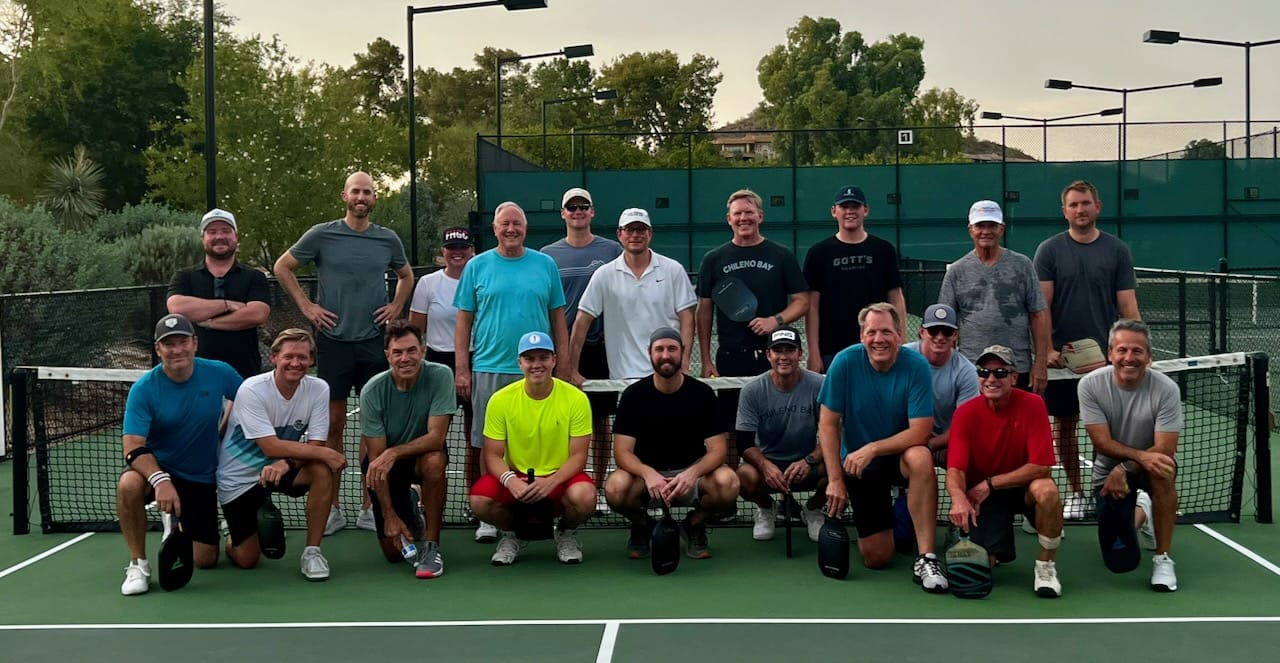
Pickleball has been a great reminder of that.
If you only looked at the game through numbers, you’d probably conclude that every minute between matches is wasted time. An AI focused on efficiency would likely suggest shortening those breaks, getting players back on the court faster, and maximizing court usage throughout the day.
From a purely operational standpoint, that sounds like a good idea.
Spend an afternoon at a club, though, and you quickly realize that’s not why people keep coming back.
Those few minutes between games are where friendships are built. They’re where people introduce themselves to someone new, laugh about the last point, congratulate a great shot, or decide to meet up again next week. It’s where league directors answer questions, organizers solve small issues before they become bigger ones, and new players begin to feel like they’re part of the community.
Those moments aren’t downtime.
They’re part of the reason people play.
That realization has influenced a lot of decisions we’ve made while building Dillio. We aren’t just trying to make pickleball more efficient. We’re trying to make organizing the game easier while protecting the parts that people actually enjoy.
Sometimes the right answer is adding technology.
Sometimes the right answer is getting out of the way.
Software shouldn’t replace the experience. It should support it.
The Difference Between a Request and a Problem
I’ve found this applies well beyond pickleball.
When someone asks for a new feature, they’re usually describing the solution they’ve already imagined. The harder part is understanding what led them to that conclusion in the first place.
Sometimes they’re exactly right.
Other times, the request is pointing to a much bigger issue that isn’t obvious until you’ve spent time asking questions, observing how people work, and understanding the context around the problem.
That’s where I think AI still struggles.
It can work with the information you give it, but it doesn’t know which conversations mattered, which frustrations kept coming up, or which details everyone assumed were too obvious to mention.
Those insights don’t come from prompts.
They come from listening.
Why This Matters More Than Ever
As AI continues to improve, I don’t think human interaction becomes less important.
I think it becomes more important.
The technical barriers to building software are falling quickly. More people than ever can build products, generate code, and test ideas.
That means the competitive advantage shifts somewhere else.
It shifts toward understanding customers better, recognizing patterns that aren’t written down, and solving the problems people actually have instead of the ones that are easiest to automate.
Technology can accelerate the solution.
It still takes people to understand the problem.
Final Thought
AI has become one of the most valuable tools we’ve ever used while building Dillio.
But when I look back at the decisions that have had the biggest impact on the product, they didn’t come from prompts or generated code.
They came from conversations with players, time spent with club managers and league directors, and simply paying attention to how people experience the game.
The better AI becomes, the more I think those moments will matter.